
Why Weeds, God?!
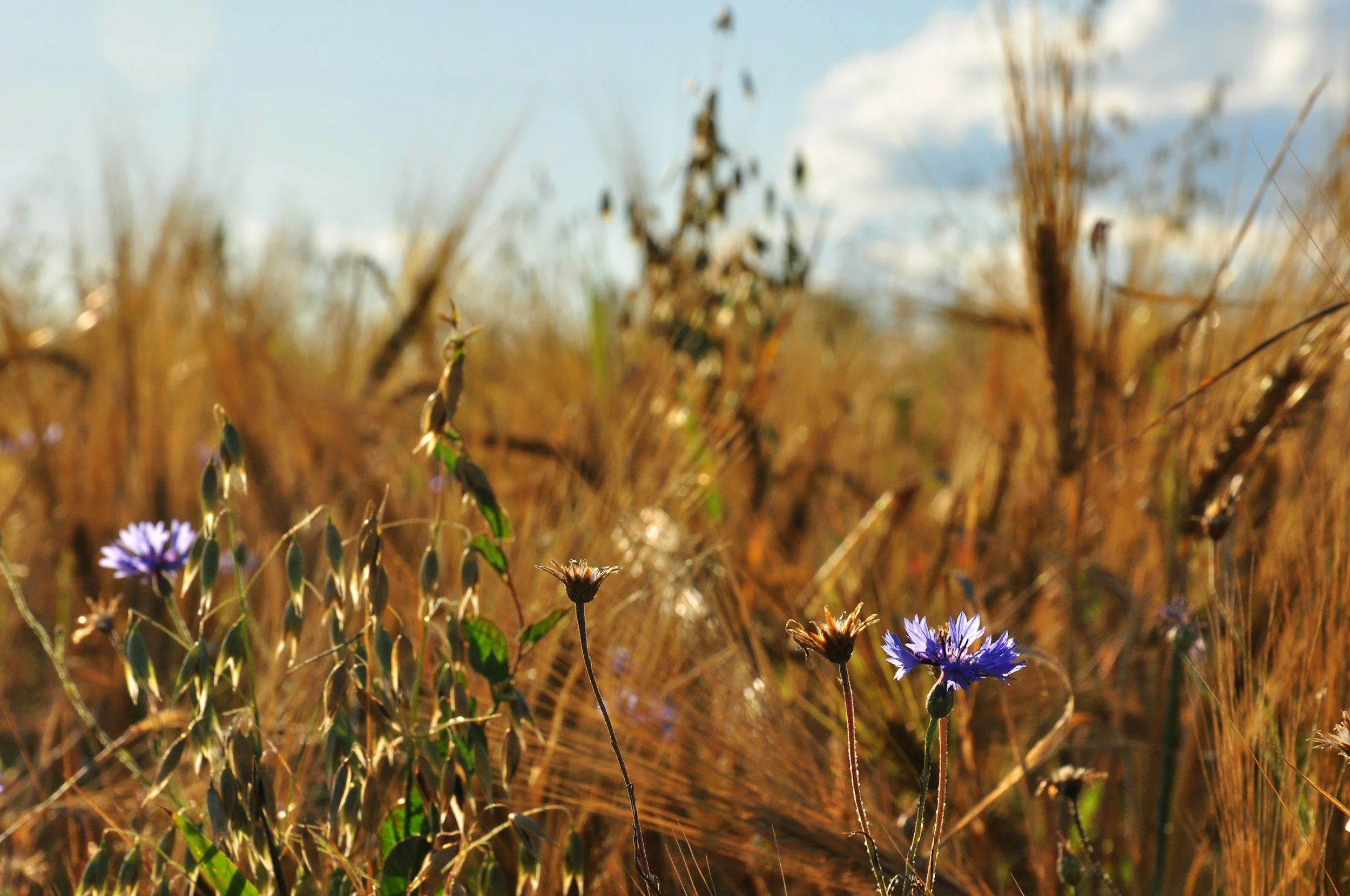
Matthew 13:24-43
What Is the Parable of the Wheat and Weeds About?
Jesus tells the story of a farmer who sows good seed in His field. While everyone sleeps, an enemy comes and scatters weeds among the wheat. When the servants discover what has happened, they want to pull the weeds up immediately. The farmer stops them. He tells them to let both grow together until the harvest, when the reapers will separate them.
This is not just a farming story. It is a picture of the world we live in, and it answers one of the most pressing questions of the Christian life.
Who Are the Characters in This Parable?
Jesus makes the meaning clear. The farmer is God. The good seed represents those who belong to His kingdom. The weeds represent those who belong to the enemy. The harvest is the final judgment when Jesus returns, and the reapers are His angels.
The weed in this parable was a plant known as darnel, a poisonous plant whose roots become deeply intertwined with wheat. Pulling it up early would destroy the good crop along with it. Interestingly, darnel had one practical use in the ancient world: burning. That detail is not lost in the parable.
Why Doesn't God Just Remove Evil Now?
This is the question the servants are really asking when they say, "Do you want us to pull them up?" It is the same question we ask when we read the news, when injustice goes unpunished, when faithful people suffer and dishonest people seem to prosper.
The farmer's answer is patient and deliberate. He says no, because pulling the weeds too early risks uprooting the wheat along with them. In other words, God's timing is not slow. It is merciful.
Peter writes to the church with this same truth in mind. God is not slow in keeping His promise. He is patient, not wanting anyone to perish but wanting all to come to repentance (2 Peter 3:9). The harvest is coming. But until that day, God's patience is making room for grace.
What Does This Parable Say About How We See Other People?
Here is where the parable becomes personally convicting. The servants assume they can tell the wheat from the weeds. The farmer is not so sure they can.
As Christians, we are often far better at identifying everyone else's weeds than our own. We sort people into categories quickly: faithful or faithless, worthy or unworthy, insider or outsider. We give up on people. We write them off.
But Jesus consistently surprises us. Throughout the Gospels, He shows us that the people we might have pulled up and discarded become some of the greatest witnesses to His grace!
Examples of God's Patience Changing Lives
- Matthew , a despised tax collector, became an apostle and wrote the very Gospel we are reading.
- Peter , who denied Christ three times, was not cast aside. Jesus saw His tears of repentance and sent Him forward as one of the great apostles.
- Saul of Tarsus , a violent persecutor of the church, became Paul, the greatest missionary the world has ever known.
If God had brought the final harvest before any of these men came to repentance, the world would have been deprived of their witness. The same is true for you and for the people around you that you may have already given up on.
What About the Thorns and Weeds in Our Own Lives?
Paul himself pleaded with the Lord three times to remove a thorn from His flesh. We do not know exactly what that thorn was, and perhaps that is intentional. It could be anything you are carrying right now. A struggle, a weakness, a burden that will not go away no matter how much you pray.
God's answer to Paul was not removal. It was this: "My grace is sufficient for you, for my power is made perfect in weakness." (2 Corinthians 12:9, English Standard Version (ESV))
In a sense, God was saying the same thing He said to the servants in the parable. Let it grow together. Trust Me. My grace is enough.
What Is the Christian's Posture While Waiting for the Harvest?
We live in the tension between the already and the not yet. Jesus has already declared "It is finished" on the cross. Evil does not have the final word. But we still live in a world full of weeds, and we still feel the weight of that every day.
The Christian response is not passive resignation. It is active trust. We gather together to worship. We pray. We allow God to continue tilling the soil of our hearts. We hold onto the certainty that the day of harvest belongs to Jesus, and that changes everything.
We are also called to remember our own story. Before you came to Christ, you were in need of the same patience and mercy you might be tempted to withhold from others. God did not bring the final judgment before you repented. That is grace. And it should shape how we see the people around us.
Life Application
This week, identify one person in your life that you have mentally written off or quietly given up on. Maybe it is someone whose choices frustrate you, someone whose life looks like nothing but weeds right now. Commit to praying for that person every day this week, asking God to remind you of His patience toward you and to give you the same patience toward them.
Ask yourself these questions as you reflect:
- Am I quicker to identify the weeds in others than to examine my own heart?
- Do I trust God's timing, or do I find myself demanding immediate justice and resolution?
- Is there a thorn or struggle in my own life that I need to bring before the Lord and trust His grace to sustain me through?
- How does remembering God's patience toward me change the way I see the people around me?
The day of harvest belongs to Jesus. Until that day, we are called to live as people who have received mercy and extend it freely to others. That is what it means to follow the Lord of the harvest.
Grace and peace, Fr. Travis +